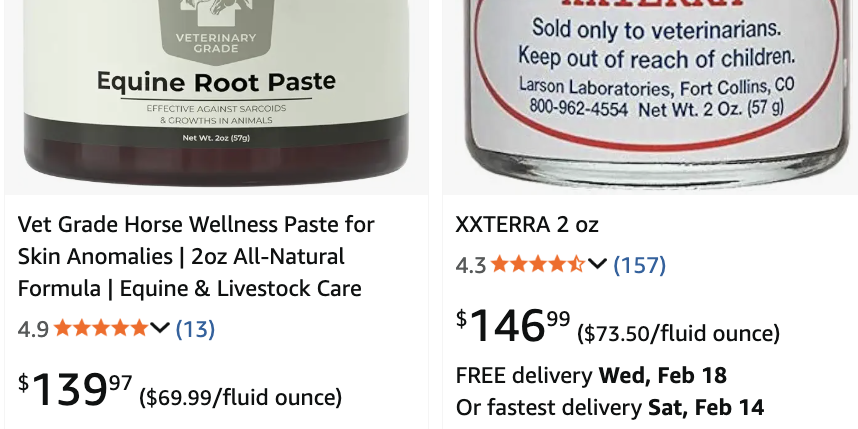
If you’re a horse owner dealing with sarcoids, you’ve likely come across the debate around xxterra vs bloodroot paste options. These stubborn skin tumors can be frustrating, persistent, and costly to treat, and picking the wrong product might mean wasted money or prolonged discomfort for your horse. That’s why we’re diving into a head-to-head comparison of XxTerra (from Larson Labs) and Veterinary Grade Bloodroot Paste. Both are escharotic pastes designed to trigger your horse’s immune system to reject sarcoids, but they differ in formulation, pricing, application, efficacy, versatility, availability, and support. As fellow horse people, we know you want facts to make the call — not hype. This guide covers every angle, from ingredients to real-world results, so you can choose confidently and get your horse back to feeling its best.
What Are Escharotic Sarcoid Pastes and How Do They Work?
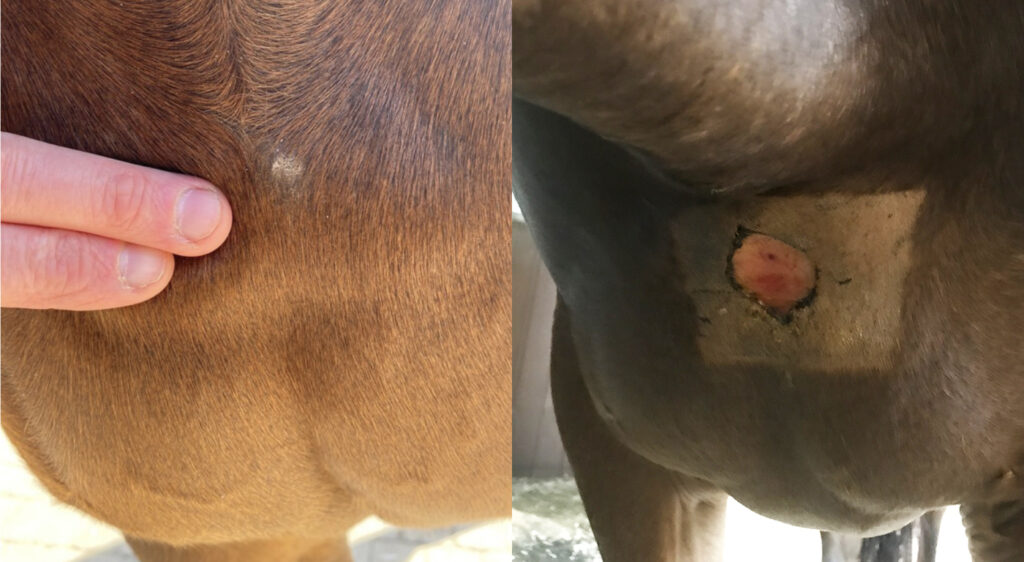
Escharotic sarcoid pastes are topical treatments that work by destroying abnormal tissue and stimulating an immune response. At their core, both XxTerra and Veterinary Grade Bloodroot Paste rely on bloodroot (Sanguinaria canadensis), a plant with potent alkaloids like sanguinarine, chelerythrine, and protopine. These compounds alter the surface proteins on sarcoid cells, making them appear “foreign” to the horse’s immune system. As a result, the body mounts an attack, leading to inflammation, scab formation, and eventual sloughing of the tumor.
Zinc chloride plays a key role in both products by inflaming the sarcoid’s surface, which enhances the alkaloids’ access and amplifies the immune rejection. This mechanism is backed by veterinary science as a non-invasive alternative to options like surgery, cryotherapy, or prescription creams such as Aldara. For more on the science behind sarcoid removal, check our guide on Science-Backed Sarcoid Removal in Horses.
Both products draw from established escharotic principles, used for decades in equine care. XxTerra has been a go-to for many vets due to its straightforward approach. However, Veterinary Grade builds on this foundation with additional ingredients for better delivery and reduced side effects. Neither is a miracle cure — success depends on sarcoid size, location, and your horse’s response — but they offer horse owners a practical, at-home option. Understanding the basics empowers you to evaluate which paste aligns with your needs, whether it’s simplicity or enhanced synergy.
For context on bloodroot’s role in equine skin care, see our post on What Is Bloodroot Paste?. And if you’re comparing to other treatments, read Bloodroot Paste vs. Aldara Cream: A Clear Guide for Horse Skin Care.
XxTerra vs Bloodroot Paste: Ingredient Comparison
When comparing xxterra vs bloodroot paste, ingredients are a foundational difference. Both start with bloodroot as the core active agent, but their formulations diverge in complexity and support. This impacts how effectively the paste penetrates, how comfortably your horse tolerates treatment, and the overall results.
XxTerra Ingredients (3 Total)
XxTerra keeps it simple with just three ingredients: bloodroot powder (Sanguinaria canadensis), zinc chloride, and water. This minimalistic approach focuses on the essentials — bloodroot provides the alkaloids for antigen alteration, zinc chloride drives inflammation, and water acts as a basic carrier. It’s a proven combo that has helped many horses, especially for straightforward sarcoids. However, without additional enhancers or soothing agents, the treatment relies entirely on these basics, which can lead to more pronounced inflammation.
Veterinary Grade Bloodroot Paste Ingredients (7 Total)
Veterinary Grade takes a more comprehensive approach with seven premium ingredients: bloodroot (Sanguinaria canadensis) as the primary escharotic, galangal root for antimicrobial and anti-inflammatory effects, chaparral leaf for antioxidant and soothing properties, graviola (soursop leaf/stem) to ease discomfort, DMSO for deep penetration, zinc chloride for immune stimulation, and vegetable glycerin as a natural carrier. This blend ensures each component supports the others, creating a more balanced treatment.
Why More Ingredients Matter
Simplicity has its place, as seen in XxTerra’s formula, but synergy can elevate results. In Veterinary Grade, DMSO carries actives deeper into the sarcoid, potentially improving efficacy on tougher growths. Meanwhile, graviola and chaparral help mitigate inflammation, reducing pain and swelling that some horses experience with escharotic pastes. Galangal adds protection against secondary infections during the open-wound phase. XxTerra’s lack of these means the horse’s body handles more of the inflammatory load, which works for some but may cause more discomfort in others. For horse owners prioritizing a gentler process, Veterinary Grade’s thoughtful additions make a measurable difference without complicating application.
This ingredient edge positions Veterinary Grade as a strong xxterra alternative for those seeking enhanced performance. Always consult your vet, but armed with this info, you can discuss options knowledgeably.
Price Comparison: XxTerra vs. Veterinary Grade
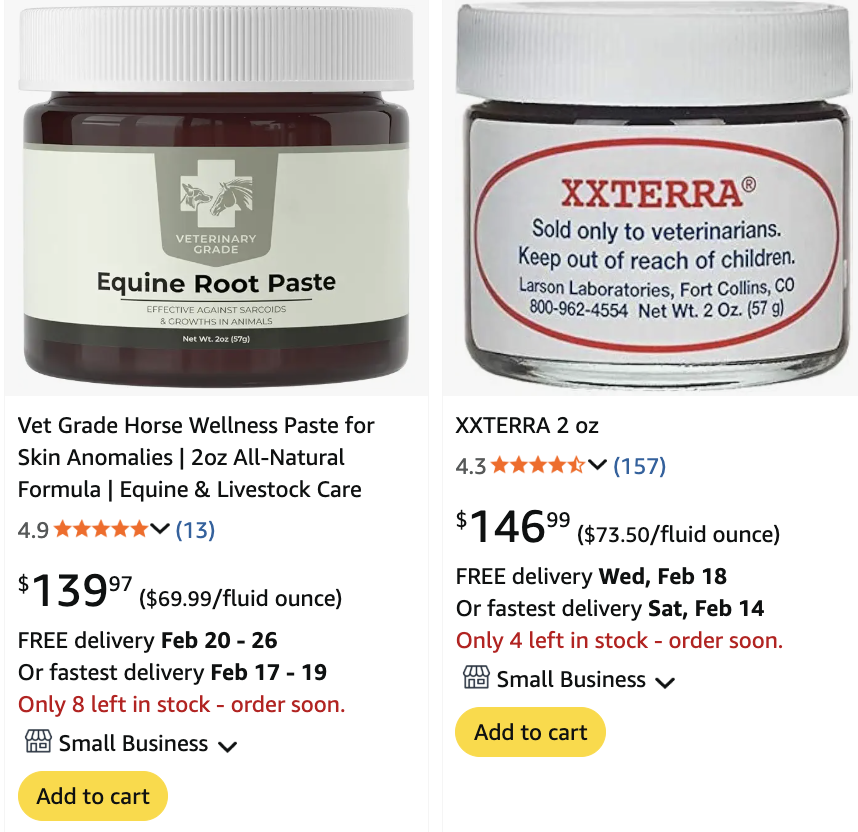
Cost is a big factor in any sarcoid treatment, especially since multiple applications might be needed. When evaluating xxterra vs bloodroot paste pricing, consider not just the sticker price but value per ounce and long-term savings. Both products are investments in your horse’s health, but differences in sizing and discounts add up.
XxTerra Pricing
XxTerra comes in 1oz and 2oz jars. The 1oz typically runs $90-110, while the 2oz is $140-170, varying by retailer like Tractor Supply or Chewy. There’s no 4oz option, which limits bulk buying for larger sarcoids or multiple horses. Plus, prices fluctuate, and in some areas, it’s vet-exclusive, potentially adding consultation fees.
Veterinary Grade Pricing
Veterinary Grade offers more flexibility: 1oz starts at $79.97, 2oz at $129.97, and a 4oz jar at $199.97. Buy direct from veterinarygrade.com for the lowest prices, or grab it on Amazon or eBay. Bulk deals, like Buy 3 Get 1 Free on eBay (around $59.89 each), make it even more affordable for ongoing needs.
Cost Per Treatment Analysis
Most sarcoids require 1-3 cycles, using about 0.5-1oz per treatment. XxTerra’s higher base price means a single 1oz jar could cost up to 38% more than Veterinary Grade’s equivalent. Without a 4oz size or bulk options, treating a herd or recurrent issues gets pricier with XxTerra. Veterinary Grade’s lower entry point and larger sizes deliver better value, especially for farms. Factor in no vet markup, and it’s clear why many horse owners see it as the smarter spend in this sarcoid cream comparison.
Application Protocol: Side-by-Side
Applying escharotic pastes correctly is crucial for safety and success. Both products follow similar rest-and-repeat cycles, but protocols differ in duration, prep steps, and guidance. This xxterra vs veterinary grade comparison highlights how these nuances affect ease of use.
XxTerra Protocol
Apply a 3-5mm layer once daily for four days, covering the sarcoid plus a half-inch margin. Rest 7-10 days for sloughing. Repeat if needed. Bandaging helps, but watch for swelling. It’s effective for many, but reports note pain, burns, and horse resentment. Caution near ears due to cartilage risks.
Veterinary Grade Protocol
Apply 1-2 times daily for up to seven days. Exfoliate hardened areas with a nail file first for better absorption — a unique step. Rest 7-10 days, treating the site as an open wound post-slough. Best in cooler seasons. Full details at the VetGrade Protocol of Use.
Key Protocol Differences
XxTerra’s four-day limit is rigid, while Veterinary Grade’s seven-day window allows adjustment based on response. The exfoliation tip enhances penetration, potentially speeding results. Veterinary Grade’s detailed online protocol empowers owners, versus XxTerra’s jar basics. These tweaks make Veterinary Grade more user-friendly for hands-on horse people.
Efficacy, Reviews, and Real-World Results
Efficacy claims for sarcoid treatments often rely on user experiences, as large trials are rare. Both products show promise, but reviews reveal patterns in outcomes and side effects.
XxTerra Results
A small study of 15 sarcoids reported 93-95% success. Positive reviews praise it for small tumors, with sloughing in weeks. However, some note growth during treatment, large wounds, or recurrence (up to 20% in 60 days, <2% after re-treatment). Pain and swelling are common mentions.
Veterinary Grade Results
Reviews on Amazon, eBay, and veterinarygrade.com highlight sarcoids falling off in 5-14 days, even post-surgery regrowths. Users call it a “miracle” for aggressive cases, with international success stories. Fewer adverse reports suggest better tolerance. It works across species, broadening its appeal.
Neither has extensive clinical data, but anecdotal evidence favors both for equine sarcoid treatment. Veterinary Grade’s synergy may explain fewer issues and wider use, making it a top xxterra review contender.
Versatility and Species Coverage
XxTerra is labeled for horses only, suiting equine-focused owners. It’s effective there but limits options for mixed farms.
Veterinary Grade covers horses, ponies, donkeys, zebras, bovines, and large dogs. This versatility is ideal if you manage multiple animals or face similar growths in dogs. As an xxterra alternative, it handles more scenarios without needing separate products.
For authoritative info on sarcoids across species, see the UC Davis Center for Equine Health — Sarcoids or University of Minnesota Large Animal Surgery — Sarcoids.
Availability, Packaging, and Shelf Life
Where to Buy
XxTerra is available at Tractor Supply, Valley Vet, or Chewy, but sometimes vet-exclusive, delaying access.
Veterinary Grade is open to all via veterinarygrade.com, Amazon, or eBay — no Rx needed.
Packaging Quality
XxTerra uses plastic jars, functional but basic.
Veterinary Grade opts for recyclable glass jars, Made in USA, for better preservation and eco-friendliness.
Shelf Life
XxTerra doesn’t list it prominently.
Veterinary Grade boasts a 7-year shelf life, perfect for barn stockpiling.
Customer Support Comparison
XxTerra offers basic phone guidance from Larson Labs.
Veterinary Grade provides expert advice, responsive emails, and the VetGrade Information Center. Reviews praise “excellent customer service” and fast resolutions, like covering shipping.
This support difference helps owners navigate treatment confidently.
The Verdict: XxTerra vs. Veterinary Grade Bloodroot Paste
| Category | XxTerra | Veterinary Grade |
|---|---|---|
| Ingredients | 3 (Bloodroot, Zinc Chloride, Water) | 7 (Bloodroot, Galangal, Chaparral, Graviola, DMSO, Zinc Chloride, Vegetable Glycerin) |
| Penetration Enhancer | None | DMSO |
| Anti-Inflammatory Support | None | Graviola + Chaparral |
| Price (1oz) | ~$90-110 | From $79.97 |
| Price (2oz) | ~$140-170 | From $129.97 |
| 4oz Option | No | Yes |
| Bulk Discounts | No | Yes (Buy 3 Get 1 Free on eBay) |
| Species | Horses only | Horses, donkeys, bovine, large dogs |
| Application Window | 4 days max | Up to 7 days |
| Shelf Life | Not listed | 7 years |
| Packaging | Plastic | Recyclable glass |
| Rx Required? | Sometimes (vet-exclusive in some areas) | Never |
| Customer Support | Basic | Dedicated experts + Info Center |
| Made in USA | Yes (Fort Collins, CO) | Yes |
XxTerra is a solid, respected choice for equine sarcoids. However, Veterinary Grade outperforms in ingredients, pricing, versatility, and support. For the best value in natural sarcoid treatment, Veterinary Grade stands out. Learn more from Horse & Hound Vet Library — Sarcoids in Horses.
Ready to Tackle Your Horse’s Sarcoids with Confidence?
Take action with Veterinary Grade Bloodroot Paste (1oz), 2oz, or the best-value 4oz. Explore All VetGrade Products, including Fly-Be-Gone Insect Repellent and Water Purifying Drops.
Subscribe for sarcoid treatment tips and exclusive savings.
Frequently Asked Questions
Q: What is the difference between XxTerra and Veterinary Grade bloodroot paste?
A: The main differences lie in ingredients, pricing, versatility, and support; XxTerra has three basic ingredients while Veterinary Grade has seven with enhancers like DMSO for better penetration. Veterinary Grade is generally cheaper, covers more species, and offers superior customer resources.
Q: Is Veterinary Grade bloodroot paste cheaper than XxTerra?
A: Yes, Veterinary Grade bloodroot paste starts at lower prices, with 1oz at $79.97 compared to XxTerra’s $90-110. It also includes a 4oz option and bulk discounts for added savings.
Q: What are the active ingredients in XxTerra?
A: XxTerra’s active ingredients are bloodroot powder (Sanguinaria canadensis) and zinc chloride, with water as the carrier. These work together to inflame and alter sarcoid cells for immune rejection.
Q: What are the ingredients in Veterinary Grade bloodroot paste?
A: Veterinary Grade bloodroot paste includes bloodroot, galangal root, chaparral leaf, graviola, DMSO, zinc chloride, and vegetable glycerin. This blend provides synergy for penetration, anti-inflammation, and antimicrobial effects.
Q: Can XxTerra be used on dogs or other animals?
A: No, XxTerra is labeled for horses only and not recommended for other species. For multi-species use, consider alternatives like Veterinary Grade, which covers dogs, donkeys, and bovines.
Q: How long does it take for a sarcoid to fall off with bloodroot paste?
A: Sarcoids typically slough off in 7-14 days after application with bloodroot paste, depending on the product and sarcoid size. Follow the rest period and repeat if needed for complete removal.
Q: Do you need a prescription to buy XxTerra or Veterinary Grade bloodroot paste?
A: XxTerra sometimes requires a vet prescription in certain areas, while Veterinary Grade is available without any Rx. This makes Veterinary Grade more accessible for direct purchase.
Q: Is there a better alternative to XxTerra for horse sarcoids?
A: Veterinary Grade bloodroot paste is a strong alternative to XxTerra, offering more ingredients, lower prices, and broader species coverage. It provides similar efficacy with added benefits like longer shelf life and better support.
- Outbound Link Research:
- UC Davis Center for Equine Health — Sarcoids: https://ceh.vetmed.ucdavis.edu/health-topics/sarcoids
- University of Minnesota Large Animal Surgery — Sarcoids: https://open.lib.umn.edu/largeanimalsurgery/chapter/sarcoids
- Horse & Hound Vet Library — Sarcoids in Horses: https://www.horseandhound.co.uk/horse-care/vet-advice/sarcoids-in-horses-601434