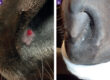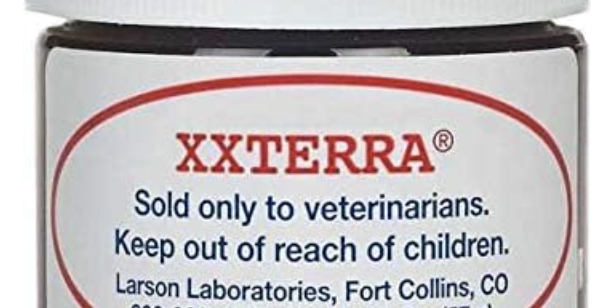
If you’re researching sarcoid treatments for your horse, XxTerra horse paste is likely high on your list because it’s one of the most recognized options out there. As someone who’s spent years around barns and dealt with these stubborn growths firsthand, I know how frustrating sarcoids can be—they’re common, persistent, and can impact your horse’s comfort and performance. But does XxTerra actually deliver results? In this review, we’ll dive into what it is, its key ingredients, how it stacks up in real-world use, and some solid alternatives. We’ll keep things straightforward: no hype, just facts to help you decide what’s best for your equine partner. Plus, we’ll compare it to natural options like bloodroot paste, which many horse owners are turning to for effective, vet-grade care.

Sarcoids in horses: all you need to know | Horse & Hound’s vet library
What Is XxTerra?
XxTerra is a topical paste designed specifically for treating equine sarcoids, those benign but bothersome skin tumors that affect up to 11.5% of horses. Manufactured by Larson Labs, it’s been a go-to for veterinarians and horse owners for years, available through vet suppliers and online retailers. The product comes in small jars, typically 1oz or 2oz, making it easy to apply directly to affected areas.
At its core, XxTerra is an escharotic agent, meaning it works by causing controlled tissue destruction to trigger the body’s healing response. The formulation combines bloodroot powder (Sanguinaria canadensis) with zinc chloride solution, stirred into a smooth, brown paste. Bloodroot provides alkaloids like sanguinarine, chelerythrine, and protopine, which alter the sarcoid cells to make them appear foreign to the immune system. Zinc chloride adds inflammation to the mix, helping to slough off the tumor over time. This mechanism stimulates an immune rejection, essentially turning the body’s defenses against the sarcoid.
In practice, you apply a thin layer daily for about four days, then let the area rest as a scab forms and falls off, usually within 7-10 days. However, results can vary based on the sarcoid’s size and location. Price-wise, expect to pay around $90-100 for a 1oz jar, depending on the retailer—it’s not the cheapest option, but it’s widely available without a prescription in many places, though consulting your vet is always smart. As a result, it’s positioned as a natural alternative to more invasive treatments, but it’s not without its drawbacks, which we’ll cover next.
Does XxTerra Work for Horse Sarcoids?
When it comes to treating xxterra horse sarcoid issues, efficacy is the big question. Based on available data, XxTerra shows promise in many cases, with one small controlled study reporting a 93% success rate in reducing or eliminating 15 sarcoids, with minimal side effects. This aligns with its escharotic action, where the paste alters tumor antigens, prompting the horse’s immune system to attack and reject the growth.
User experiences paint a mixed but generally positive picture. Many horse owners report success: one shared that after four daily applications, a one-inch sarcoid above the coronet band disappeared in about 10 days, calling it “almost a miracle.” Others note it works well on small, superficial sarcoids, with the tumor sloughing off and minimal recurrence after a second treatment if needed—up to 20% may return within 60 days, but reapplication often handles it. Treatment timelines typically span 1-2 weeks for initial response, with full resolution in 4-8 weeks, depending on the sarcoid type.
However, limitations exist. Some reviews highlight pain and inflammation; horses can become sensitive, with swelling or chemical burns reported after just a few applications. In one case, a sarcoid grew larger during treatment, leading to a switch to laser surgery. It’s less ideal near eyes, ears, or cartilage, where it might cause holes or excessive tenderness. Meanwhile, larger or aggressive sarcoids may require combination therapies. Overall, XxTerra reviews suggest it’s effective for many, but success depends on early intervention and proper application—always monitor closely and involve your vet.
XxTerra vs. VetGrade Bloodroot Paste
In the world of sarcoid cream comparison, XxTerra horse options often get pitted against natural alternatives like VetGrade bloodroot paste. Both are topical escharotics aimed at equine sarcoid cream needs, but differences in formulation, ease of use, and support make VetGrade a compelling choice for many horse owners seeking the best sarcoid treatment.
Ingredients
XxTerra relies on bloodroot powder combined with zinc chloride, harnessing alkaloids like sanguinarine to inflame and reject sarcoid tissue. VetGrade bloodroot paste uses a pure, natural bloodroot formulation without added zinc, focusing on the plant’s inherent properties for targeted action. This can mean less aggressive inflammation, which some horses tolerate better.
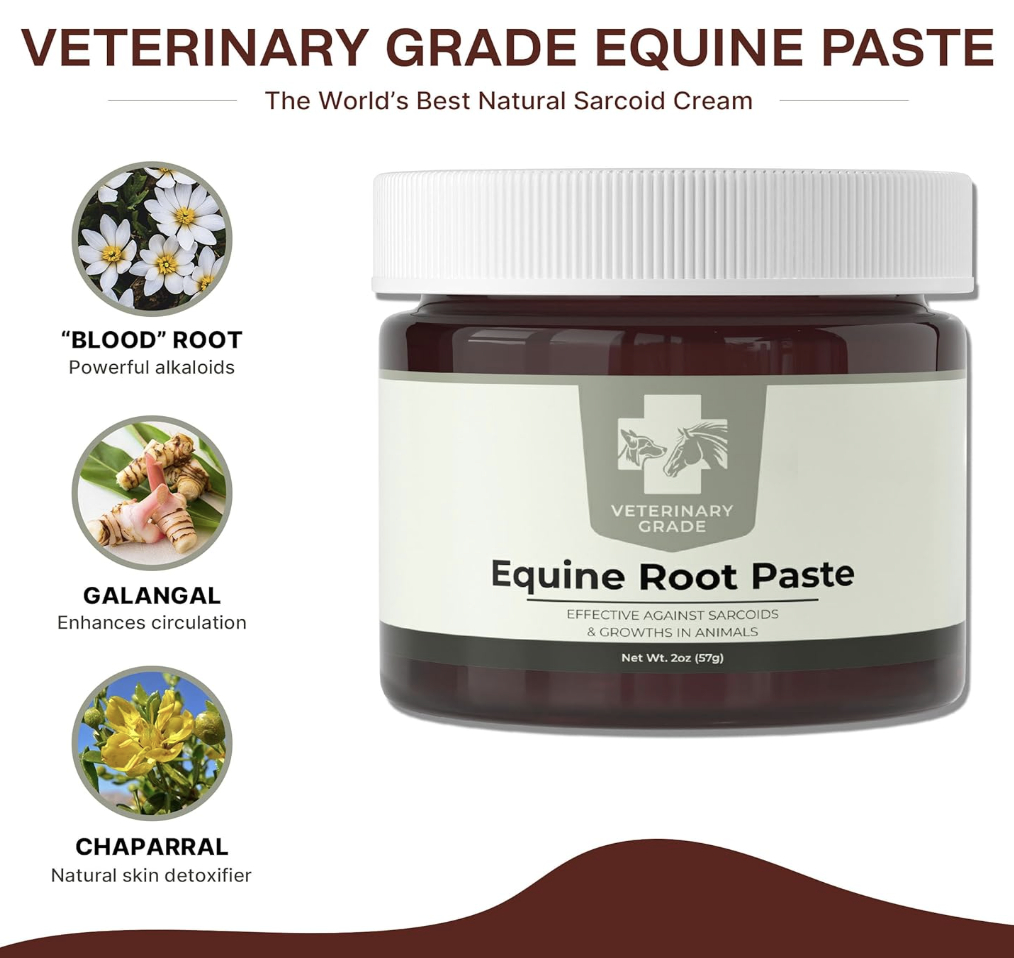
Bloodroot Paste ForSarcoid Herbal For The Removal of Sarcoidosis & Growths | eBay
Application Process
Applying XxTerra involves a thin layer daily for 4 days, followed by bandaging if possible, but it can cause significant swelling and discomfort. VetGrade is similar but often requires fewer applications, with a gentler build-up that minimizes horse resentment. Both need clean, dry skin, but VetGrade’s smoother consistency makes it easier to spread evenly.
Treatment Timeline
XxTerra typically shows scabbing in 7-10 days, with full sloughing in 2-4 weeks, potentially needing repeats. VetGrade follows a comparable timeline but may resolve faster in some cases due to its potent, undiluted bloodroot. Recurrence rates are low for both when used correctly.
Price Comparison
A 1oz jar of XxTerra runs $90-100, while VetGrade’s 1oz option is slightly more affordable at around $80-90, offering better value for multiple treatments. The 2oz VetGrade size extends that savings further.
Availability
XxTerra is vet-exclusive in some areas but widely online; VetGrade is readily available direct from veterinarygrade.com, with fast shipping for horse owners.
Customer Support
Larson Labs provides basic guidance, but VetGrade stands out with dedicated equine experts offering personalized advice, plus resources like What Is Bloodroot Paste? [Blog #4].
Here’s a quick comparison table:
| Aspect | XxTerra | VetGrade Bloodroot Paste |
|---|---|---|
| Ingredients | Bloodroot + Zinc Chloride | Bloodroot, Graviola, Galangal, Chaparral, DMSO, Zinc Chloride |
| Pain Level | (swelling common) | (gentler beacause of the Graviola and Chaparral leaf) |
| Price (1oz) | $90-100 | $80-90 |
| Timeline | 2-4 weeks | 2-4 weeks |
| Best For | Small sarcoids | Small and large sarcoids |
This xxterra vs bloodroot paste matchup shows VetGrade as a strong, cost-effective alternative without sacrificing results. For more on similar comparisons, check Bloodroot Paste vs. Aldara Cream.
Other Alternatives to XxTerra
Beyond xxterra horse sarcoid treatments, several options exist for managing these tumors, each with pros and cons. Surgery involves excising the growth under anesthesia, effective for isolated sarcoids but with a high recurrence risk—up to 50% without follow-up therapy. It’s best for large or obstructive ones, though scarring can occur.
Cryotherapy freezes the sarcoid with liquid nitrogen, causing cell death and sloughing. It’s quick and affordable but may need multiple sessions, and it’s less effective on deeper tumors. Pros include minimal equipment; cons are potential depigmentation and pain.
Aldara (imiquimod) cream, a prescription immune modulator, is applied 3 times weekly for months, showing up to 75% resolution in studies. It’s non-invasive but can irritate skin and is pricey. For a deeper dive, see Bloodroot Paste vs. Aldara Cream.
Among natural topicals, VetGrade bloodroot paste emerges as the top choice—effective, affordable, and backed by science for sarcoid removal. Explore more in Science-Backed Sarcoid Removal in Horses. Consult resources like UC Davis for comprehensive guidance: Sarcoids | School of Veterinary Medicine.
How to Choose the Right Sarcoid Cream
Selecting an equine sarcoid cream boils down to factors like sarcoid type (occult, verrucous, etc.), size, location, and your budget. Small, flat sarcoids on non-sensitive areas respond well to topicals like XxTerra or VetGrade, while larger or eyelid ones may need vet intervention to avoid complications.
Topical treatments shine for early-stage, accessible growths, offering non-invasive options at home. However, if the sarcoid is aggressive or in a high-motion area, surgical removal or cryotherapy might be necessary, followed by cream to prevent regrowth. As a result, start with a vet diagnosis—biopsies can sometimes worsen things, so weigh that carefully. Budget-wise, natural pastes like VetGrade provide value without skimping on efficacy.
Ready to tackle your horse’s sarcoids? Check out Veterinary Grade Bloodroot Paste (1oz) or the 2oz size for reliable results. Browse All VetGrade Products for more natural care. Subscribe for sarcoid treatment tips and exclusive savings to stay ahead.
Frequently Asked Questions
Q: Does XxTerra work for horse sarcoids?
A: XxTerra works for many horse sarcoids by altering the tumor’s antigens to trigger an immune response, leading to rejection and sloughing. User reviews show success in small growths, with a small study noting 93% efficacy, though results vary by sarcoid size and location.
Q: What is the difference between XxTerra and Veterinary Grade bloodroot paste?
A: The main difference is in formulation—XxTerra combines bloodroot with zinc chloride for inflammation, while Veterinary Grade uses pure bloodroot for a gentler, natural approach. Both target sarcoids topically, but VetGrade often causes less discomfort and is more affordable.
Q: How much does XxTerra cost compared to Veterinary Grade?
A: XxTerra costs about $90-100 for 1oz, making it pricier than Veterinary Grade bloodroot paste at $50-60 for the same size. This price gap widens with larger jars, positioning VetGrade as a budget-friendly alternative without losing effectiveness.
Q: What are the active ingredients in XxTerra?
A: The active ingredients in XxTerra are bloodroot powder (Sanguinaria canadensis) and zinc chloride solution. Bloodroot provides alkaloids like sanguinarine and chelerythrine, which help stimulate immune rejection of sarcoids.
Q: Is there a better alternative to XxTerra?
A: Veterinary Grade bloodroot paste is a better alternative to XxTerra for many, offering similar escharotic action with less irritation and lower cost. Other options like Aldara cream or cryotherapy exist, but VetGrade stands out for natural, at-home use.
Q: Is XxTerra bloodroot paste superior to Veterinary Grade Bloodroot Paste?
A: XxTerra bloodroot paste is not necessarily superior to Veterinary Grade, as both use bloodroot for sarcoid treatment, but VetGrade’s pure formulation may reduce side effects like swelling. Choose based on your horse’s tolerance and vet advice for optimal results.
- Outbound Link Research:
- UC Davis Center for Equine Health on Sarcoids: https://ceh.vetmed.ucdavis.edu/health-topics/sarcoids (authoritative university site on equine health topics)
- University of Minnesota Large Animal Surgery Notes on Sarcoids: https://open.lib.umn.edu/largeanimalsurgery/chapter/sarcoids (extension resource with treatment overviews from a veterinary college)