

If you’ve been researching horse sarcoid treatment, you’ve probably come across the term “bloodroot paste” — but what is it, exactly? As a horse owner who’s seen my share of skin issues in the barn, I know how frustrating sarcoids can be. These benign tumors pop up without warning, often on legs, face, or underbelly, and they don’t just go away on their own. Bloodroot paste stands out as a natural alternative, drawing from centuries-old practices to target these growths effectively. This isn’t some new fad; it’s a time-tested approach that’s helping horse folks like us avoid more invasive options.
In this definitive guide, we’ll break down everything you need to know about bloodroot paste. From its botanical roots to how it works on sarcoids, plus practical tips on application and safety. Because when you’re dealing with your horse’s health, you want facts, not fluff. We’ll also touch on why veterinary-grade formulations make a difference, positioning products like those from VetGrade as reliable choices. By the end, you’ll have the knowledge to decide if this is the right path for your horse. Plus, we’ll cover related topics like water purification for your barn using chlorine dioxide drops to keep things healthy overall.
What Is Bloodroot Paste?
Bloodroot paste is a topical remedy derived from the Sanguinaria canadensis plant, commonly known as bloodroot. This perennial herb, native to eastern North America, gets its name from the bright red sap in its roots that resembles blood. Horse owners turn to it for its escharotic properties, meaning it forms a scab-like layer to slough off abnormal tissue. But what is bloodroot paste in practical terms? It’s a blend of bloodroot extract with supporting ingredients like zinc chloride, creating a paste that’s applied directly to skin growths.
The key active compound here is sanguinarine, an isoquinoline alkaloid that gives bloodroot its punch. Sanguinarine disrupts cell division in abnormal cells while sparing healthy ones, making it selective for issues like sarcoids. As a result, it’s classified as an escharotic paste, not just any herbal salve. Veterinary formulations enhance this with precise concentrations for animal use, ensuring potency without unnecessary additives.
Why does this matter for horses? Sarcoids are the most common equine skin tumor, affecting up to 12% of horses worldwide. Bloodroot paste for horses addresses this by promoting natural rejection of the growth. VetGrade’s version, for instance, uses all-natural, veterinary-grade ingredients to maximize efficacy. However, it’s not a one-size-fits-all; understanding its composition helps you use it wisely.
Botanically, Sanguinaria canadensis thrives in woodland areas, blooming white flowers in spring. Native peoples harvested its rhizomes for dyes and medicines, a tradition that informs modern uses. In paste form, the extract is concentrated, often mixed with emollients for easy application. This isn’t about how to make bloodroot paste at home — that’s risky without proper ratios — but recognizing quality in commercial products.
Bloodroot paste buy options vary, but focus on those tested for purity. Side effects can occur if misused, like excessive irritation, so starting small is key. Overall, this paste represents a bridge between traditional herbalism and contemporary veterinary care, offering horse owners a targeted tool against sarcoids.
History of Bloodroot in Animal Care
Bloodroot has deep roots in animal care, starting with Native American tribes who used Sanguinaria canadensis for various skin conditions. Tribes like the Cherokee applied the red sap topically to wounds and growths on livestock, valuing its antiseptic qualities. This wasn’t guesswork; observation showed it helped resolve abnormal tissues without harming surrounding areas. As settlers adopted these practices, bloodroot found its way into early veterinary remedies.
By the 19th century, veterinarians incorporated bloodroot into pastes for treating equine warts and tumors. Texts from that era describe escharotic pastes for sarcoids, blending bloodroot with zinc salts for enhanced action. This period saw a surge in natural treatments as horse populations boomed with agriculture and transport needs. However, with the rise of synthetic drugs in the 20th century, bloodroot faded from mainstream use.
Today, there’s a resurgence as horse owners seek natural alternatives amid concerns over chemical residues. Modern studies echo historical efficacy, with formulations like bloodroot paste for sarcoids gaining traction. For more on indigenous uses, check out our post on What Did Native Americans Use Bloodroot For?.
This history underscores why bloodroot persists: it works when applied correctly. Meanwhile, partners like InfoHorse highlight ongoing equine health discussions, reinforcing natural options in community forums.
How Bloodroot Paste Works on Sarcoids
Bloodroot paste tackles sarcoids through a step-by-step mechanism that leverages its escharotic nature. First, you apply the paste to the cleaned sarcoid; sanguinarine penetrates, binding to DNA in abnormal cells and halting replication. This triggers cell death selectively, as healthy cells resist better due to lower metabolic activity.
Next, inflammation builds locally, drawing immune cells to the site. An eschar — a dry, black scab — forms within 3-5 days, encapsulating the dead tissue. As a result, the sarcoid separates from healthy skin underneath, sloughing off naturally over 1-3 weeks. Healing follows, with new tissue filling in.
Timeline varies by sarcoid size: small ones (under 2 cm) may resolve in 7-10 days, while larger need multiple applications. Day 1: mild swelling. Day 3: eschar darkens. Week 2: eschar falls, revealing pink skin. Full healing can take 4-6 weeks.
Why preferential targeting? Sanguinarine exploits sarcoids’ viral origins (bovine papillomavirus), disrupting infected cells more readily. Zinc chloride in formulations amplifies this by corroding bonds, but VetGrade balances it to minimize pain.
Research supports this; a study in the Canadian Veterinary Journal found 89% response rate in treated sarcoids . Another from Mississippi State University details sarcoid pathology, aligning with bloodroot’s action (source).
Bloodroot paste for horses thus offers a biological edge over mere excision, reducing recurrence by addressing root causes.
How to Apply Bloodroot Paste
Applying bloodroot paste requires precision to maximize benefits and minimize risks. Start by cleaning the sarcoid area with mild soap and water, patting dry. Clip surrounding hair if needed for better contact.
Step 2: Apply a thin layer — about the thickness of a dime — using a gloved finger or applicator. Cover just the sarcoid, avoiding healthy skin to prevent irritation.
Step 3: Bandage if the location allows, like on a leg; use non-stick gauze and vet wrap. For face or hard-to-bandage spots, leave open but monitor closely.
Step 4: Check daily for changes. Expect swelling and discharge; clean gently without disturbing the forming eschar.
Step 5: Let the eschar separate on its own — this is crucial. Picking it risks infection or incomplete removal.
Reapply every 3-5 days if the sarcoid persists after the first cycle, but only after full healing from prior application. Safety notes: Work in a well-ventilated area, keep paste away from eyes and mucous membranes. Consult your vet first, especially for large or multiple sarcoids.
This method ensures bloodroot paste works effectively. For deeper insights, see our Bloodroot Paste in Veterinary Care post.
Bloodroot Paste vs. Other Treatments
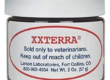
When comparing bloodroot paste to alternatives, consider efficacy, cost, and side effects. Versus Xxterra, a similar bloodroot-based product, VetGrade offers higher purity without fillers, potentially faster results.
Aldara cream (imiquimod) stimulates immunity but requires weeks of application and can cause severe inflammation. Bloodroot paste acts quicker, often in one cycle. For a full comparison, read our Science-Backed Sarcoid Removal in Horses.
Surgery excises sarcoids but has high recurrence (up to 50%) due to viral persistence. Laser or cryotherapy adds cost and downtime. Bloodroot paste’s advantages: non-invasive, affordable, and home-applicable with vet oversight.
Here’s a quick comparison list:
- Bloodroot Paste: Natural, targeted, low recurrence.
- Surgery: Immediate removal, but invasive.
- Aldara: Immune-boosting, prolonged treatment.
VetGrade stands out with optimized concentration and support, making it a smart choice for horse owners.
Is Bloodroot Paste Safe?
Bloodroot paste is generally safe when used as directed, but expect reactions like localized swelling and discharge — these are normal signs it’s working. The eschar formation might look dramatic, but it’s the body’s way of isolating abnormal tissue.
What’s normal: Mild pain for 1-2 days, resolvable with bute if needed. What requires vet attention: Excessive bleeding, spreading redness, or fever indicating infection.
Start with a small test area on the sarcoid to gauge reaction, especially on sensitive horses. Contraindications include open wounds, pregnant mares, or areas near eyes. Bloodroot paste side effects are rare but can include scarring if over-applied.
Overall, its track record in equine care supports safety for most cases.
Where to Buy Bloodroot Paste
Finding reliable bloodroot paste means choosing veterinary-focused brands like VetGrade, available through their Shopify store. They offer sizes tailored to needs: 1oz for small sarcoids, 2oz for average cases, and 4oz for multiple treatments.
Why buy from a specialized source? Purity ensures active sanguinarine levels, plus batch testing for contaminants. Generic options might skimp on quality, leading to inconsistent results.
VetGrade prioritizes horse health, with formulations designed by experts in natural care.
Ready to tackle those sarcoids? VetGrade’s bloodroot paste provides a natural, effective solution backed by tradition and science. Educate yourself, apply carefully, and watch your horse heal. For more tips on equine care, including sarcoid prevention, subscribe for sarcoid treatment tips and exclusive savings. Your horse deserves the best — let’s keep them thriving.
Frequently Asked Questions
Q: What is bloodroot paste?
A: Bloodroot paste is a natural topical remedy made from the extract of the Sanguinaria canadensis plant, blended with ingredients like zinc chloride for escharotic action. It targets abnormal skin growths like horse sarcoids by forming a scab that sloughs off diseased tissue while promoting healing in healthy areas.
Q: What is bloodroot paste used for?
A: Bloodroot paste is primarily used to treat horse sarcoids, a common equine skin tumor caused by bovine papillomavirus. It selectively destroys abnormal cells through its active compound sanguinarine, making it a natural alternative to surgical or chemical treatments.
Q: How do you apply bloodroot paste to a horse sarcoid?
A: To apply bloodroot paste to a horse sarcoid, clean the area first, then spread a thin layer over the growth and bandage if possible. Monitor daily, allowing the eschar to form and separate naturally without picking, and reapply as needed after healing.
Q: Are there side effects from bloodroot paste?
A: Side effects from bloodroot paste can include localized swelling, discharge, and mild pain during the initial treatment phase, which are typically normal reactions. Severe irritation or infection is rare but requires immediate veterinary attention if observed.
Q: How long does it take for bloodroot paste to work?
A: Bloodroot paste typically shows results within 3-5 days as an eschar forms, with full sarcoid resolution in 1-4 weeks depending on size. Larger growths may need multiple applications, but healing completes in 4-6 weeks overall.
Q: Where can I buy bloodroot paste for horses?
A: You can buy bloodroot paste for horses from veterinary-grade suppliers like VetGrade, offering sizes from 1oz to 4oz through their online store. Choose reputable brands to ensure purity and effectiveness for safe use.
Q: Is bloodroot paste safe for horses?
A: Bloodroot paste is safe for horses when applied correctly to sarcoids, with minimal risks beyond expected local reactions like swelling. Always test a small area first and consult a vet to avoid contraindications such as use on open wounds.
Outbound Link Research:
- https://pmc.ncbi.nlm.nih.gov/articles/PMC4060914/ (Study on owners’ perception of bloodroot ointment efficacy from Canadian Veterinary Journal)
- https://www.vetmed.msstate.edu/sites/www.vetmed.msstate.edu/files/presentations/7.14.17%20Equine%20Sarcoid%20(Taylor%20May).pdf(Mississippi State University College of Veterinary Medicine presentation on equine sarcoids)



3 Comments