You walk into the barn on a cold morning and hear it — that dry, persistent cough. Your horse’s breathing sounds heavier than it should. Respiratory issues like heaves, inflammatory airway disease, and seasonal allergies are among the most common health challenges horse owners face. But mullein for horses offers a natural, time-tested solution. This powerful herb, Verbascum thapsus, has been supporting equine lung health for centuries, helping clear mucus, reduce inflammation, and soothe irritated airways.
In this guide, we’ll explore what mullein is, the respiratory conditions it addresses, and practical ways to use it — from internal supplementation like teas and tinctures to traditional methods like herbal smoke fumigation. We’ll also touch on emerging complementary approaches, such as sound frequency support for overall wellness. Plus, because horse owners breathe the same dusty air, we’ll discuss how you can support your own lungs. Armed with this knowledge, you can take proactive steps to keep your horse breathing easy.
[Hero image: Horse breathing/nostril close-up in barn environment — alt: “mullein for horses — natural equine lung health support”]
What Is Mullein? The Herb Your Horse’s Lungs Need
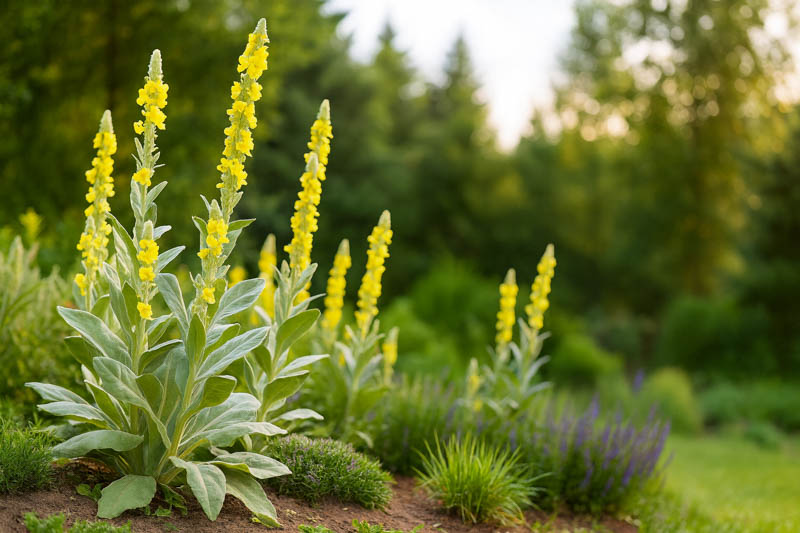
Mullein, scientifically known as Verbascum thapsus, is a biennial herb native to Europe but now naturalized across North America. It thrives in disturbed soils, often popping up along roadsides and pastures. This hardy plant grows tall stalks up to 6 feet, topped with bright yellow flowers in its second year. Its large, fuzzy leaves — often called “donkey ears” or “velvet leaves” — are the primary part used for medicinal purposes.
Horse owners and herbalists know mullein by many names: flannel flower, woolen blanket, grandmother’s flannel, and even “bullock’s lungwort.” That last nickname hints at its long history with livestock. For centuries, stockmen and cattlemen have turned to mullein for respiratory diseases in cattle, grinding the leaves into feed or brewing teas to ease coughs and congestion.
The plant’s use dates back over 2,000 years. The ancient Greek physician Dioscorides recommended mullein for pulmonary diseases, prescribing it as a tea or smoked remedy. Native Americans, including the Navajo who called it “big tobacco,” rolled dried mullein leaves into cigarettes to relieve lung congestion. European folk healers burned mullein on charcoal for fumigation, inhaling the smoke to clear airways.
What makes mullein so effective for equine respiratory support? Its active compounds work together to soothe and protect. Mucilage acts as a demulcent, coating and calming irritated tissues. Saponins serve as a natural expectorant, loosening mucus so it can be expelled. Flavonoids like quercetin provide anti-inflammatory benefits, reducing swelling in the airways. Verbascoside offers antioxidant protection against cell damage, while tannins deliver astringent effects that tone respiratory tissues.
The FDA lists mullein leaves and flowers as Generally Recognized As Safe (GRAS) for use in food and supplements. However, avoid the seeds, which contain rotenone and can be toxic. When preparing mullein for horses, always strain infusions through cloth to remove fine hairs that might irritate the digestive tract.
For a complete breakdown of every way to use mullein — from tea to tincture to steam inhalation — read our detailed guide on the different ways to use mullein.
[Mullein plant (Verbascum thapsus) in bloom — alt: “mullein plant verbascum thapsus — natural horse respiratory herb”]
Equine Respiratory Conditions That Mullein May Help
Horses face a range of respiratory challenges, from chronic conditions to seasonal flare-ups. Mullein for horses shines as a natural horse lung supplement, offering expectorant, anti-inflammatory, and soothing properties. Because these issues often stem from environmental triggers like dust and mold, combining mullein with good barn management yields the best results.
Heaves / Recurrent Airway Obstruction (RAO)
Heaves, also called recurrent airway obstruction, is the most common respiratory condition in mature horses, typically those over 7 years old. It’s triggered by inhaled allergens like dust, mold spores in hay, and ammonia from urine-soaked bedding. Symptoms include a chronic cough, nasal discharge, a visible “heave line” along the abdomen, and labored breathing at rest.
Mullein helps by acting as an expectorant to clear thick mucus, reducing inflammation to ease airway swelling, and soothing irritated tissues with its demulcent mucilage. As a result, horses may breathe more comfortably, especially during stable periods. Herbalists often combine mullein with licorice root or marshmallow for enhanced support in heaves in horses natural treatment.
Inflammatory Airway Disease (IAD)
Inflammatory airway disease affects younger horses, particularly those in training or competition. It presents as a cough during exercise, reduced performance, and excess mucus in the trachea. Unlike heaves, IAD is subtler but can limit athletic potential if untreated.
According to the IVC Journal, mullein “opens the lungs, reduces coughing and tightness, lubricates the mucosa.” Its saponins loosen mucus, while flavonoids combat inflammation. For horses with IAD horse herbs, mullein provides gentle equine asthma herbal support without the side effects of steroids.
Exercise-Induced Pulmonary Hemorrhage (EIPH)
Known as “bleeders,” horses with EIPH experience lung bleeding during intense exercise like racing. High pulmonary pressure causes capillary rupture, leading to blood in the airways.
Some UK racehorse trainers use mullein leaf extract horses infused with saline via nebulizer to support lung tissue. Mullein works alongside hemostatic herbs like yarrow or shepherd’s purse to promote integrity. Its antioxidants may protect against oxidative stress from exercise induced pulmonary hemorrhage herbs.
Respiratory Allergies and Seasonal Coughs
Pollen, dust, and barn irritants can trigger allergies, resulting in a horse cough remedy natural need. Mullein’s quercetin offers antihistamine-like effects, reducing hypersensitivity.
Meanwhile, its overall soothing action makes it ideal for mullein for horse cough. Pair it with barn improvements, such as better ventilation, to minimize triggers.
For more on maintaining a fresh barn environment, check our Ultimate Guide to Odor Removal in Barns and Pet Areas.
Farm Animals Beyond Horses
Mullein’s benefits extend to other farm animals. Its “bullock’s lungwort” name reflects centuries of use for cattle respiratory issues, like pneumonia or coughs. Goats and sheep respond well to mullein for similar lung health farm animals concerns.
Dogs, too, can benefit from smaller doses for respiratory support. Dosing scales with body weight — about half for a 500-lb animal compared to a 1,000-lb horse. Always seek holistic vet advice for species-specific use.

How to Use Mullein for Horses: Methods and Dosage
Administering mullein for horses is straightforward, but precision matters for safety and efficacy. Start with high-quality, organic mullein leaf — free from pesticides. Consult your vet before starting, especially if your horse has pre-existing conditions or takes medications. Dosages are general guidelines; adjust based on response.
Dried Powdered Mullein Leaf
This is the simplest method for daily equine respiratory support. For a 1,000-lb horse, give 2 tablespoons of powdered mullein leaf per day, split into morning and evening feeds. Mix it into dampened grain or hay to prevent dust inhalation.
If using whole dried leaves, grind them first and strain through a fine cloth to remove irritating hairs. This form acts slowly but steadily as a natural COPD treatment horses option.
Mullein Tea / Infusion
Brew a strong mullein tea by steeping 1-2 ounces of dried leaves in a gallon of boiling water for 15-20 minutes. Strain thoroughly through cheesecloth — this step is critical to avoid throat irritation.
Add 1 cup to your horse’s feed or top-dress dampened grain. For larger herds, dilute smaller amounts into the water trough. The infusion provides hydration alongside respiratory benefits.
Mullein Tincture / Liquid Extract
Liquid extracts offer concentrated mullein equine power with easy dosing. Administer about 5 cc (1 teaspoon) two to four times daily for an adult horse. Mix into feed, water, or syringe directly if needed.
Tinctures absorb faster than dried herbs and eliminate the need to strain hairs. They’re ideal for acute situations like a persistent cough.
Nebulized Mullein
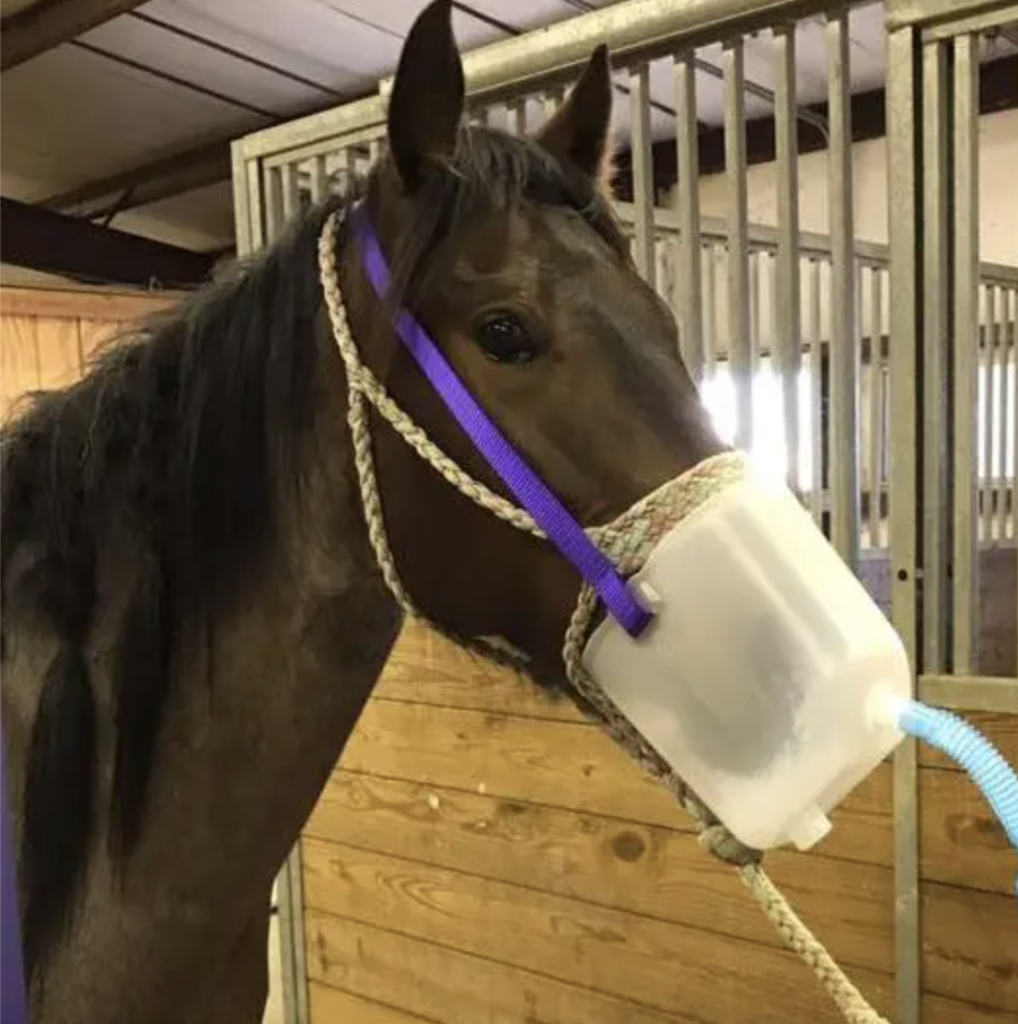
For severe cases, nebulize mullein infusion mixed with saline using an equine nebulizer. This delivers compounds directly to the lungs, as practiced by some trainers for RAO or EIPH.
Equipment is required, and vet supervision is essential. It’s an advanced horse respiratory herbs method but highly targeted.
Herbal Combinations
Mullein shines in blends. Pair it with elecampane for deeper expectorant action, echinacea for immune boost, or marshmallow root for extra soothing. Many commercial formulas, like those from Peak Performance or Omega Alpha, feature mullein as a key ingredient.
Start low and monitor — combinations amplify effects for comprehensive natural horse lung supplement support.
Mullein Smoke for Horses: An Ancient Tradition Worth Knowing
Mullein smoke fumigation is a traditional practice that sets this guide apart. While not mainstream, it’s rooted in history and deserves respectful consideration. Approach it with transparency: evidence is anecdotal and traditional, not from large equine studies. Use it complementarily, never as primary treatment.
The History of Herbal Smoke for Respiratory Support
Over 2,000 years ago, Dioscorides prescribed smoking mullein for lung ailments. Native Americans rolled dried leaves into cigarettes to ease congestion and asthma. European folk medicine involved burning herbs on charcoal for fumigation — an early form of inhalation therapy.
Mullein’s smoke is gentle, thanks to its mucilage, which soothes even when inhaled. This differs vastly from harmful smoke like wildfires, which contain toxins. Herbal smoke is controlled, single-ingredient, and low-temperature.
How Horse Owners Use Mullein Smoke Near Horses
In traditional settings, light a mullein herbal cigarette or burn dried leaves on a heat-safe dish. Let the smoke drift gently near the horse’s nostrils in a well-ventilated barn or outdoor area. The horse must be untied and free to walk away.
This mimics mild nebulization, potentially carrying soothing compounds into the air. It’s suited for seasonal discomfort, not acute distress. Sessions last 2-5 minutes, with the horse’s comfort paramount.
The 1Ness Mullein Herbal Super Pack includes organic mullein extract alongside mullein herbal cigarettes — designed for human use but rooted in the same traditional practice that stockmen have applied around their animals for generations.
Safety Guidelines for Mullein Smoke Around Horses
Stick to pure mullein — no tobacco or additives. Maintain distance; never blow smoke directly into the face. Watch for signs like coughing or head-shaking; stop if they appear.
Conduct in open spaces to avoid buildup. This folk method lacks clinical equine data but has centuries of safe traditional use. Consult your vet, and prioritize modern veterinary care.

What Does the Science Say About Mullein for Horses?
Research on mullein for horses is promising but limited to lab studies, small trials, and traditional evidence. Large equine-specific clinical trials are scarce, yet the herb’s safety profile and historical use make it a viable option. Here’s what we know.
The Cleveland Clinic notes mullein extract is 85% effective at protecting cells from damage, thanks to its antioxidants. Lab tests show antiseptic effects against bacteria like those causing pneumonia, staph, and E. coli. It also demonstrates antiviral properties that may inhibit influenza.
A PMC pilot study on herbal composites for RAO found reduced respiratory rates in horses. Speranza et al. (2009) confirmed anti-inflammatory actions, while Rajbhandari et al. (2009) verified anti-influenza benefits.
The IVC Journal describes mullein as a “soothing expectorant useful for irritative coughs, upper respiratory tract congestion, and laryngitis” in horses. EFSA approves mullein tincture for animal feed safety.
Historical records from the 1800s note: “Husbandmen of Kent do give it their cattle against the cough of the lungs.” While evidence isn’t exhaustive, centuries of application support mullein’s role in verbascum thapsus horses care.
For a deeper dive into how mullein supports respiratory health in humans, read our complete guide on OnenessDrops.com.
Beyond Herbs: Sound Frequency and Equine Respiratory Wellness
Herbs like mullein are powerful, but complementary approaches like sound frequency can enhance wellness. This emerging field focuses on how vibrations affect physiology, creating a supportive environment for healing.
Research backs sound therapy for horses. Kentucky Equine Research (2024) found classical music increases serotonin and lowers heart rates in stalled horses. Boehringer Ingelheim’s partnership with Pet Acoustics documents benefits like stress reduction, better recovery, and improved sleep.
Stress exacerbates respiratory issues — a calmer horse has better oxygen flow and immune function. Sound therapy boosts hemoglobin, aiding lung health indirectly.
Apply it by playing calming frequencies in the barn during rest, especially for recovering horses in dusty settings. While specific lung frequencies lack direct equine studies, sound’s physiological effects foster recovery.
The 1Ness Lung Recovery Bundle takes a multi-approach strategy — combining the herbal support of mullein extract, the traditional practice of herbal smoke, and the emerging science of healing sound frequencies.
[Horse in peaceful/calm barn environment (frequency/wellness section) — alt: “equine sound therapy — natural wellness for horse respiratory health”]
Mullein Works Best When Your Barn Works Too
Mullein for horses is most effective alongside a healthy environment. Respiratory issues often start with barn conditions — dust, poor ventilation, and allergens account for half the battle.
Maximize turnout to reduce stall time. Feed hay on the ground to mimic natural grazing, avoiding round bales that harbor mold. Remove horses during mucking, and ensure cross-ventilation.
Water quality impacts overall health; contaminated sources can weaken immunity. For purification, see our Comprehensive Guide to Sodium Chlorite and Chlorine Dioxide Purification.
Tackle odors and bacteria with proper cleaning — our Ultimate Guide to Odor Removal in Barns and Pet Areas has tips.
Flies add stress and spread disease; use natural repellents like Fly-Be-Gone Natural Insect Repellent.
For immune reinforcement, consider Alkaline Structured Silver for Horses and Dogs.
Horse Owners: Don’t Forget About Your Own Lungs
As a horse owner, you share the same dusty barns and allergens that challenge your animals. Research from Gallagher et al. (2007) shows trainers face higher respiratory risks from occupational exposure. If you’re using mullein for horses, consider supporting your own lung health — especially after long hours in the stable.
Mullein Extract for You
For horse owners who want to support their own respiratory health — especially after long hours in dusty barn environments — 1Ness offers an organic mullein leaf extract. This human-grade tincture, in a 4oz glass bottle, delivers concentrated benefits.
Take 1-2 droppers two to three times daily under the tongue or in water. It’s a simple way to harness mullein’s soothing properties for yourself.
Also available on Amazon.
The Mullein Herbal Super Pack
For horse owners looking for a more comprehensive approach, the 1Ness Mullein Herbal Super Pack combines the organic mullein tincture with mullein herbal cigarettes — a smokable option rooted in the same Native American and European traditions discussed earlier in this article.
These cigarettes are mild, nicotine-free, and designed to soothe airways. Use them personally for mucus relief or cough support.
The Complete Lung Recovery Bundle
The 1Ness Lung Recovery Bundle goes a step further — combining mullein extract, herbal cigarettes, and a lung healing frequency audio track for a full multi-modal approach to respiratory wellness.
Whether you use the frequency track for yourself or play it in the barn for your horses, it adds a calming, therapeutic layer to your respiratory health routine.
Learn More
For a complete guide to how mullein supports human respiratory health, including preparation methods, dosage, and testimonials, read our in-depth article on Mullein Drops: Your Natural Guide to Better Breathing (2025).
And for a breakdown of every mullein preparation method — tea, tincture, steam, and more — check out our guide to the different ways to use mullein.
Ready to Support Your Horse’s Respiratory Health?
Ready to take a natural approach to your horse’s respiratory health? Mullein for horses empowers you with tools from nature. Explore our full line of veterinary-grade products, including natural options for overall wellness, at All VetGrade Products.
For skin concerns like sarcoids, consider our Veterinary Grade Bloodroot Paste.
Subscribe for natural horse care tips and exclusive savings at vetgrade.carrd.co.
Frequently Asked Questions About Mullein for Horses
Q: Is mullein safe for horses?
A: Mullein is generally safe for horses when using the leaves or flowers, as it’s listed as GRAS by the FDA and has centuries of traditional use in livestock. Avoid seeds due to potential toxicity, and always strain preparations to remove irritating hairs. Start with low doses and consult a vet, especially if your horse has health issues or is on medications.
Q: How do you give mullein to a horse?
A: Give mullein to a horse as dried powder (2 tablespoons per 1,000 lbs daily in feed), tea (1 cup strong infusion added to grain), or tincture (1 teaspoon 2-4 times daily). Strain all preparations through cloth to avoid irritation from fine hairs. Mix into dampened feed for easy administration.
Q: Does mullein help horses with heaves?
A: Mullein helps horses with heaves by acting as an expectorant to clear mucus, reducing inflammation in airways, and soothing irritated tissues. It’s a natural option for recurrent airway obstruction, often combined with other herbs for better results. While traditional and anecdotal evidence supports it, pair with veterinary care for severe cases.
Q: What herbs are good for horse lung health?
A: Herbs good for horse lung health include mullein for expectorant and soothing effects, elecampane for deep mucus clearance, licorice root for anti-inflammatory support, and marshmallow for mucosa lubrication. Echinacea boosts immunity, while yarrow aids in hemorrhage control. Blends of 4+ herbs often provide synergistic benefits.
Q: Can you blow mullein smoke near a horse?
A: Gently allowing mullein smoke to drift near a horse is a traditional folk practice rooted in centuries of herbal wisdom. This should be done in a well-ventilated area, with the horse free to move away, using only pure mullein herbal cigarettes or dried leaf with no additives. It is a complementary practice — not a replacement for veterinary care — and should be stopped immediately if the horse shows any signs of distress.
Q: How long does it take for mullein to work in horses?
A: Mullein typically starts working in horses within a few days for mild symptoms, with noticeable improvements in cough or mucus clearance after 1-2 weeks of consistent use. Acute issues may respond faster with tinctures or nebulization, while chronic conditions like heaves require 4-6 weeks. Monitor progress and adjust with vet input.
Q: Can other farm animals besides horses benefit from mullein?
A: Other farm animals like cattle, goats, sheep, and dogs can benefit from mullein for respiratory support, as its historical name “bullock’s lungwort” indicates use in livestock for centuries. Dose proportionally by body weight — less for smaller animals. Always get species-specific veterinary guidance before use.
Q: Is sound frequency therapy effective for horses?
A: Research from Kentucky Equine Research (2024) and partnerships between Boehringer Ingelheim and Pet Acoustics have documented that sound therapy can reduce stress, lower heart rate, increase serotonin levels, and boost hemoglobin in horses. While specific lung healing frequencies have not been clinically studied in horses, the stress-reducing and physiological benefits of sound therapy create a supportive environment for respiratory recovery.
Outbound Links (2-3 authoritative external sources):
- Whole Horse Herbs: https://www.wholehorse.com/mullein.html
- PMC herbal composite study: https://pmc.ncbi.nlm.nih.gov/articles/PMC1829186/
- Cleveland Clinic mullein overview: https://health.clevelandclinic.org/mullein-benefits