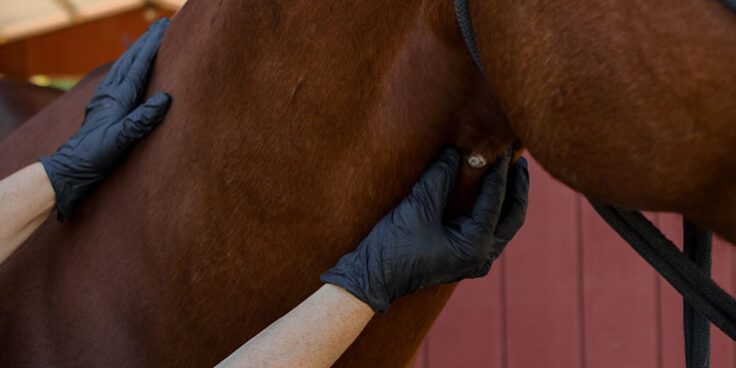
Your horse has been diagnosed with a sarcoid — now what? The treatment options can feel overwhelming. Equine sarcoid treatment paths vary widely, from quick fixes that promise miracles to invasive procedures that rack up bills. Plus, with so much conflicting info out there, it’s easy to second-guess every choice. Costs can spiral, especially if recurrence hits, and not every method suits every horse. Because sarcoids are stubborn, picking the wrong approach early on can lead to bigger problems down the line. However, knowledge is your best tool. This guide breaks down every treatment option — from surgery to natural topicals — with honest pros, cons, costs, and success rates. We’ll cover what works, when it works, and why, so you can team up with your vet for the best outcome. For more on identifying these tumors, check out our post on What Is a Sarcoid on a Horse?.
equine sarcoid treatment options guide
Why Treatment Matters
Sarcoids don’t resolve on their own. Left unchecked, they grow, spread to new spots, or turn aggressive if irritated by tack, flies, or even grooming. Early intervention boosts success rates dramatically — a small, flat sarcoid is far easier to handle than a large, ulcerative one. Location plays a huge role too; eyelid or limb sarcoids demand gentler methods to avoid complications like scarring or lameness. Meanwhile, body sarcoids might tolerate more aggressive tactics. As a result, ignoring them isn’t wise — they can devalue your horse at sale or limit performance. Plus, untreated sarcoids risk infection, leading to bigger vet bills. Start with a biopsy for confirmation, then weigh options based on type, size, and your horse’s temperament. For deeper insights into causes, see this short-form post on what causes sarcoids on horses.
However, treatment isn’t just about removal; it’s about prevention. Clean water sources help overall health, reducing stress that might exacerbate tumors. Consider the importance of treating your horse’s water with chlorine dioxide drops to minimize contaminants.
Surgical Options
Surgical methods shine for isolated, accessible sarcoids, but recurrence haunts many cases. They require vet expertise, often under sedation or anesthesia, and post-op care is key to avoid infection.
Surgical Excision
This classic approach involves cutting out the sarcoid with a scalpel, aiming for clean margins to nab hidden roots. Success hovers at 50-70%, but recurrence strikes half the time, especially in aggressive types. Costs range from $500-2,000+, factoring in anesthesia and follow-up. It’s appropriate for small, nodular sarcoids away from sensitive areas, but fails often near eyelids or joints where full excision risks damage. Plus, healing can take weeks, with bandaging essential. If it recurs, combine with adjuncts like chemo beads for better odds. For evidence-based alternatives, explore Science-Backed Sarcoid Removal in Horses.
Laser Surgery
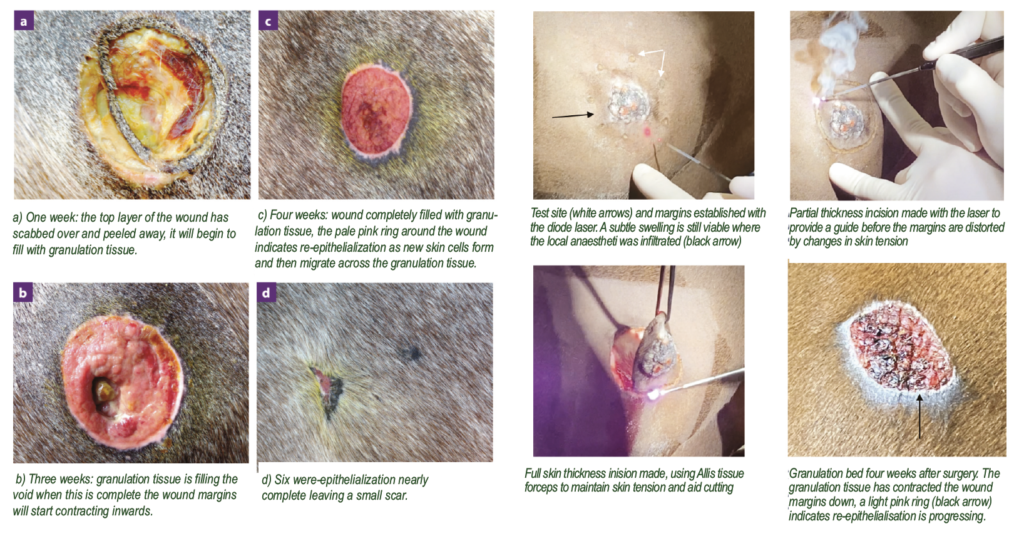
CO2 laser excision vaporizes tissue precisely, sealing blood vessels for less bleeding and better margins than a scalpel. Advantages include reduced swelling and faster healing, with success rates up to 85%. However, recurrence lingers at 20-40%. Costs climb to $800-3,000+ due to specialized equipment. Best for periocular or limb sarcoids, as the laser minimizes trauma. Still, multiple sessions might be needed for larger tumors.
horse sarcoid treatment comparison chart — surgery vs natural

Cryotherapy Horse Sarcoid
Liquid nitrogen freezes the sarcoid, killing cells via ice crystal formation. Ideal for flat or small sarcoids, it boasts 70-90% success for superficial ones, but needs 2-3 sessions spaced weeks apart. Cost: $300-1,000 total. Freezing causes blistering and scabbing, so at-home care involves cleaning. Recurrence drops with debulking first, but overuse risks depigmentation or scarring.
Pharmaceutical Options
These vet-prescribed treatments target sarcoids chemically or immunologically, often as standalone or combo therapies.
Imiquimod (Aldara) Cream
This immune-boosting cream ramps up local inflammation to attack tumor cells. Applied 3x weekly for 8-16 weeks, it requires a prescription and vet monitoring. Mechanism: stimulates cytokines for targeted destruction. Success: 60-80%, with lower recurrence than surgery alone. Cost: $200-600, plus vet visits. Timeline varies, but visible shrinkage hits by week 4. Side effects include redness and scabbing. Compare it head-to-head in our Bloodroot vs Aldara comparison. Great for equine sarcoid cream seekers wanting topical control.
Cisplatin/Fluorouracil
These chemo agents, injected or applied topically, halt cell division. Vet-administered only, often in beads for slow release. Success: 70-90% for fibroblastic types, but sessions every 2-4 weeks add up. Cost: $400-1,500. Best for recurrent cases post-surgery.
Immunotherapy Equine Sarcoid
Autologous vaccines, crafted from the horse’s tumor tissue, train the immune system to fight back. Experimental yet promising, success reaches 60-80% in trials. Cost: $500-1,200, with variable timelines. BCG injections fall here too, effective for periocular sarcoids.
Natural Topical Treatments
For horse owners preferring gentler paths, natural options offer at-home convenience without heavy sedation.

Bloodroot Paste
Bloodroot’s escharotic action draws out abnormal tissue, forming a scab that sloughs off healthy skin intact. VetGrade’s veterinary-grade formulation uses all-natural ingredients for safe, potent results. Application: clean area, apply thinly, cover, and monitor for 7-14 days. Advantages: horse sarcoid treatment at home, no anesthesia, affordable ($50-100 per jar), and natural. Success: 70-90% for small to medium sarcoids, with low recurrence if caught early. Position it against pharma options for its simplicity. Grab Veterinary Grade Bloodroot Paste (2oz) or browse All VetGrade Products. Buy VetGrade Bloodroot Paste on Amazon here.
applying bloodroot paste to horse sarcoid — topical treatment
Vet Grade bloodroot paste for equine sarcoid treatment
Other Natural Approaches
Turmeric poultices show limited evidence, mainly anti-inflammatory perks but no proven tumor kill. Essential oils offer anecdotal wins, yet lack studies. Bloodroot paste stands apart with historical use and targeted action, outperforming unverified herbs.
equine sarcoid treatment results — before and after bloodroot paste
Treatment Comparison Table
Here’s a side-by-side look at key horse sarcoid treatment options:
| Treatment | Cost Range | Success Rate | Recurrence | At-Home? | Natural? |
|---|---|---|---|---|---|
| Surgery | $500-2,000+ | 50-70% | High (30-50%) | No | No |
| Laser | $800-3,000+ | 70-85% | Medium (20-40%) | No | No |
| Cryo | $300-1,000 | 70-90% | Medium | Partial | No |
| Aldara | $200-600 | 60-80% | Low-Medium | Yes | No |
| Cisplatin | $400-1,500 | 70-90% | Low | No | No |
| Bloodroot Paste | $50-100 | 70-90% | Low | Yes | Yes |
Data draws from veterinary reviews; individual results vary. For more on equine health, visit InfoHorse.
How to Choose the Right Treatment
Factors like sarcoid type (verrucous vs. fibroblastic), location, size, horse temperament, and budget guide decisions. Start with topical sarcoid treatment for small, non-aggressive ones — it’s less invasive and cost-effective. Surgery suits isolated tumors, but pair it with immunotherapy for recurrence-prone spots. Combination approaches, like laser plus bloodroot, often yield best results. Consult your vet early; biopsies confirm type. If budget’s tight, natural sarcoid treatment shines for at-home ease.
For authoritative insights, see this UC Davis overview on sarcoids or a systematic review on equine sarcoid treatments.
Ready to act? Try our bloodroot paste for proven results. Subscribe for sarcoid treatment tips and exclusive savings.
Frequently Asked Questions
Q: What is the best treatment for equine sarcoids?
A: The best equine sarcoid treatment depends on the tumor’s type, size, and location, but options like laser surgery or natural bloodroot paste often provide high success rates with low recurrence. Bloodroot paste works well for at-home topical application on small to medium sarcoids.
Q: How much does horse sarcoid treatment cost?
A: Horse sarcoid treatment cost varies by method, ranging from $50-100 for natural topicals like bloodroot paste to $800-3,000+ for laser surgery. Factors like sessions needed and vet fees influence the total.
Q: Can you treat a horse sarcoid without surgery?
A: Yes, you can treat a horse sarcoid without surgery using topical options like imiquimod cream or natural bloodroot paste, which offer effective, non-invasive alternatives with success rates up to 90%. Cryotherapy or immunotherapy also avoid the knife.
Q: What is equine sarcoid cream?
A: Equine sarcoid cream refers to topical treatments like imiquimod (Aldara) or bloodroot paste that apply directly to the tumor to stimulate immune response or escharotic action. These are prescription or over-the-counter options for at-home use.
Q: How effective is bloodroot paste for sarcoids?
A: Bloodroot paste is highly effective for sarcoids, with success rates of 70-90% for small to medium tumors due to its natural escharotic properties that target abnormal tissue. It’s affordable and suitable for home application.
Q: What is the recurrence rate after sarcoid surgery?
A: The recurrence rate after sarcoid surgery is typically 30-50%, higher for aggressive types or incomplete margins. Combining with adjunct therapies like chemotherapy reduces this risk.
Q: How long does equine sarcoid treatment take?
A: Equine sarcoid treatment takes 2-16 weeks depending on the method; topicals like bloodroot paste show results in 7-14 days, while surgery or cryo may require multiple sessions over months. Healing and monitoring extend the timeline.
- Social Sharing:
- Facebook Title: Equine Sarcoid Treatment: Every Option Compared (2026 Guide)
- Facebook Description: Surgery vs. cream vs. natural paste — which sarcoid treatment actually works? Full comparison with costs and success rates.
- X (Twitter) Title: Equine Sarcoid Treatment: Every Option Compared (2026 Guide)
- X Description: Surgery vs. cream vs. natural paste — which sarcoid treatment actually works? Full comparison with costs and success rates.
- Outbound Link Research:
- https://ceh.vetmed.ucdavis.edu/health-topics/sarcoids (UC Davis Center for Equine Health authoritative overview on sarcoids, treatment options, and best practices)
- https://pubmed.ncbi.nlm.nih.gov/36917551 (PubMed entry for a systematic review in Equine Veterinary Journal on equine sarcoid treatments, providing evidence-based analysis)